Center for Lifelong Learning
It is an exciting time for nurses and other healthcare professionals to learn new skills and explore new career roles and responsibilities. The Center for Lifelong Learning offers continuing education, professional development, and nursing prerequisite courses from one of the best nursing schools in the country.
About the Center for Lifelong Learning
- Personalized support and attention are hallmarks of our courses
- All courses are taught by nationally-recognized University of Rochester faculty
- The School of Nursing is highly-ranked and fully-accredited
- We’re experienced — the Center for Lifelong Learning has offered continuing education courses for more than 20 years
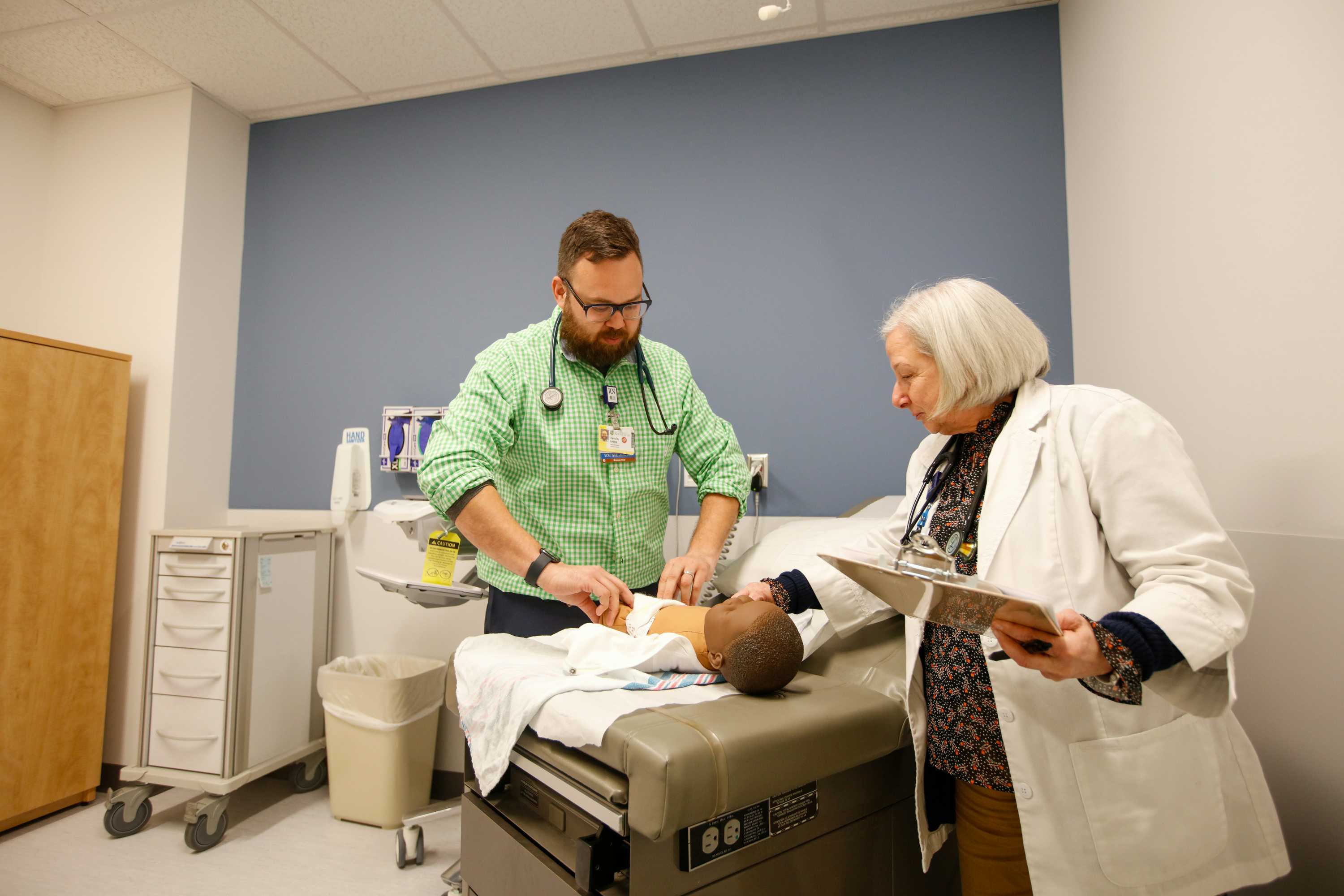
Programs & courses
We serve a wide variety of students, from nursing school applicants looking to complete prerequisites, to health care professionals seeking to enhance their skills or switch careers.
News & stories
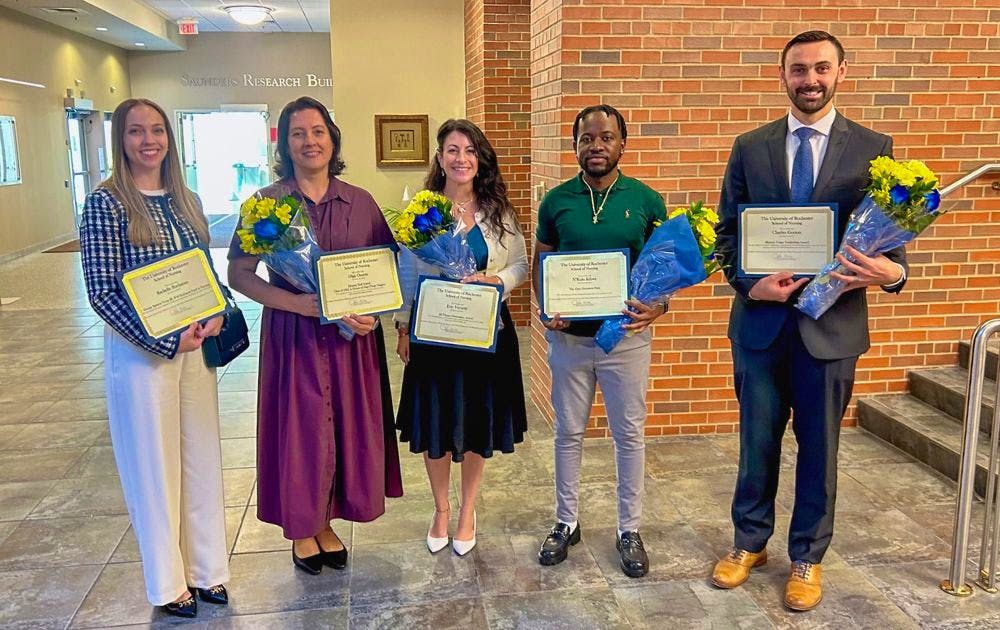


Meet the Program Director
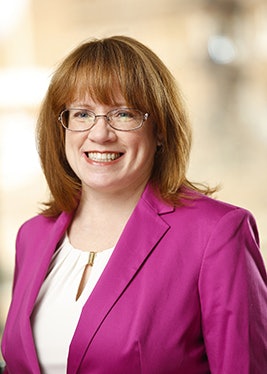
Susan Stanek, PhD, MSN/Ed, RN
Director, Center for Lifelong Learning
"I appreciate working with incredible staff and faculty to bring high-quality, flexible courses to students. We enjoy being creative, working with technology, and providing innovative teaching strategies to help engage and educate students."
See Susan's profileConnect with us
Questions about Center for Lifelong Learning courses or programs? Contact us.
EMAIL SONCLL@urmc.rochester.edu
PHONE (585) 275-0446
FAX (585) 273-1270